Dog Biking Gear
Whether you're cruising local bike paths, exploring forest trails, or embarking on a weekend cycling adventure, the right gear helps every ride feel safer and more enjoyable for you and your dog. Explore Rocky Mountain Dog's collection of biking gear designed to keep your adventure companion comfortable, secure, and ready to ride by your side. From durable harnesses and hands-free leashes to cycling essentials built for active dogs, we've got everything you need to enjoy every kilometre together.
Ready to hit the trail on two wheels? Check out our biking guides for expert tips on cycling with your dog, choosing the right gear, training your dog to run safely alongside your bike, and making every ride a fun and rewarding adventure.
Explore All Dog Biking Gear


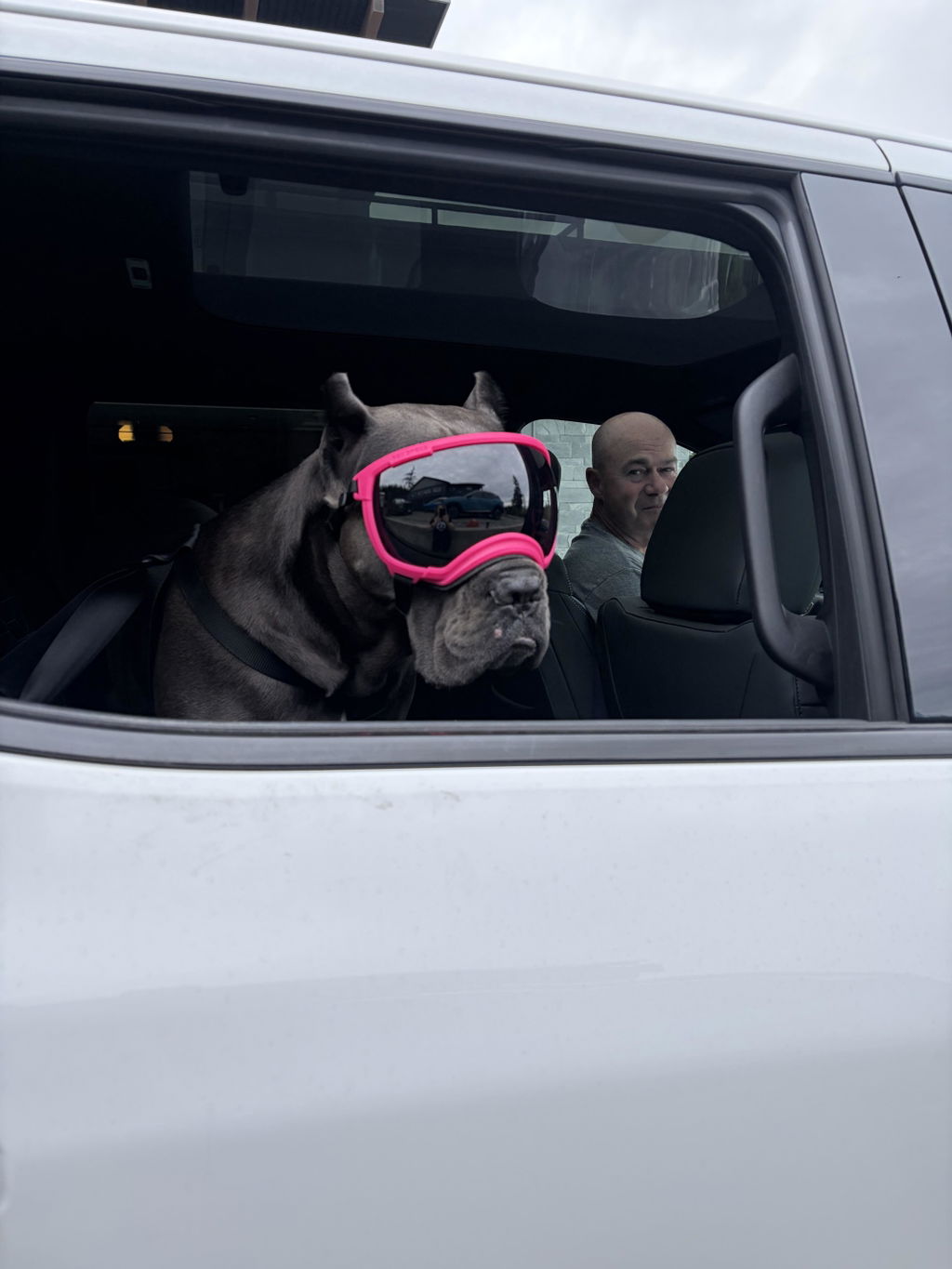
Dog Goggles: What Are They for, and Does Your Dog Need Them?
Humans benefit from protective eyewear to care for one of our strongest, most vivid senses and because of how a canine’s eye functions, serious protective eyewear may be necessary for your four-legged friend as well. Here’s what to know about dog goggles: what are they for, and does your dog need them?
How to Get Your Dog Onboard with Harness Training
Not every dog takes to a harness right away. Whether your dog is nervous, stubborn, or simply unsure, success comes down to introducing the harness in a positive, step-by-step way that builds trust and confidence.


The Rocky Mountain Dog Leash Guide: Finding the Perfect Leash for Every Adventure
For many outdoor enthusiasts, dog owners, a leash is a must have and a lot more than just an accessory. It’s what makes or breaks a hike or trek, a trail run, a camping trip or even an everyday walk.
Frequently Asked Questions
Biking with your dog typically means your dog runs alongside your bike at a comfortable pace while you do most of the work. The focus is on exercising together, with your dog maintaining a steady position beside you.
Bikejoring, on the other hand, is a dog-powered sport where your dog pulls your bike while wearing a specially designed pulling harness. It requires specific equipment, training, and directional commands to keep both you and your dog safe. If you're new to cycling with your dog, it's best to start with casual rides before considering bikejoring.
While it's possible, a regular leash isn't the safest option for biking. Standard leashes can become tangled in your wheels or handlebars and don't absorb sudden movements if your dog changes direction unexpectedly.
For a safer and more enjoyable ride, use a properly fitted harness paired with a bike-specific attachment or a hands-free system designed for cycling. These setups help keep your dog at a consistent distance from your bike while providing better control and reducing the risk of injury for both of you.
Yes, but shorter-legged breeds may not be able to maintain the same pace or distance as larger athletic dogs. Keep rides shorter, choose easier terrain, and always let your dog's comfort determine the pace.
A dog carrying backpack can be a practical solution for short, low-speed rides, especially if your dog is too small, too young, recovering from an injury, or unable to keep up on longer outings. However, it isn't recommended for fast rides, rough terrain, mountain biking, or technical trails.
If you choose to ride with your dog in a backpack:
- Make sure the carrier fits both you and your dog properly.
- Keep your rides short and at a comfortable pace.
- Stick to smooth bike paths or paved trails.
- Ensure your dog is secure, comfortable, and has adequate ventilation.
- Take regular breaks to check on your dog's comfort and hydration.
For active, healthy dogs that enjoy running, it's generally better to let them run alongside your bike using appropriate cycling equipment and a well-fitting harness. Dog carrying backpacks are best suited for dogs who can't safely run the distance themselves, rather than those who simply want to join the adventure.