Biking With Your Dog: A Complete Guide to Safe Cycling Adventures
The Joy of Biking With Your Dog
There's nothing quite like sharing the trail with your adventure buddy. Whether you are exploring local trails, riding through the mountains, or enjoying a weekend adventure, biking allows your dog to experience new sights, smells, and environments while staying active with you.
There are many ways your dog can join your ride, depending on their size, energy level, and comfort level. Some dogs love running alongside the bike and keeping up on the trail, while others may prefer relaxing in a dog backpack and joining the adventure at their own pace. You can also choose routes with dog-friendly areas where your pup can safely explore, sniff, and enjoy the outdoors.
Is Your Dog Ready for Biking?
Every dog is different, and the best biking experience starts by choosing an option that matches your dog’s needs. Consider your dog’s age, breed, fitness level, and confidence before planning your adventure. With the right preparation, training, and gear, biking can become a rewarding activity that you and your pup can enjoy together.
Consider your dog's:
Age
-
Puppies and young dogs may need to wait until they are fully developed before running long distances.
-
Senior dogs may enjoy slower-paced adventures with more breaks. A dog backpack can also be a great way to let them safely join the adventure while still experiencing the outdoors with you.
Breed & Size
-
Athletic breeds with high energy levels may enjoy longer rides.
-
Smaller breeds may prefer riding in a dog backpack or joining for shorter trail explorations.
Energy Level
-
Choose a distance and pace that matches your dog’s fitness level.
-
Start with shorter rides and gradually increase the challenge.
Health & Fitness
-
Make sure your dog is comfortable with physical activity.
-
Consider your dog’s joints, endurance, and overall condition before starting.
Obedience & Recall
-
Your dog should respond reliably to commands like:
-
Come
-
Stay
-
Leave it
-
Slow down
Confidence Around Bikes
-
Some dogs may be nervous around moving bikes at first.
-
Introduce the bike slowly by letting your dog walk beside it before attempting a ride.
3 Ways Your Dog Can Join Your Bike Adventure
Option 1: Running Beside the Bike
For active dogs who love to move, running alongside your bike can be a fun way to combine exercise and outdoor exploration.
Best for:
-
Medium and large dogs with good endurance
-
Adult dogs in good physical condition
-
Energetic breeds that enjoy longer activities
Benefits:
-
Provides excellent physical exercise
-
Offers mental stimulation through new sights, sounds, and smells
-
Helps energetic dogs burn off extra energy
Safety tips:
-
Keep a moderate pace and let your dog set the rhythm.
-
Never force your dog to keep up if they show signs of fatigue.
-
Avoid hot pavement that can be uncomfortable on paws.
-
Choose dog-friendly trails or quiet routes whenever possible.
-
Take frequent breaks for water and rest.
Recommended Gear for Dogs Running Beside the Bike
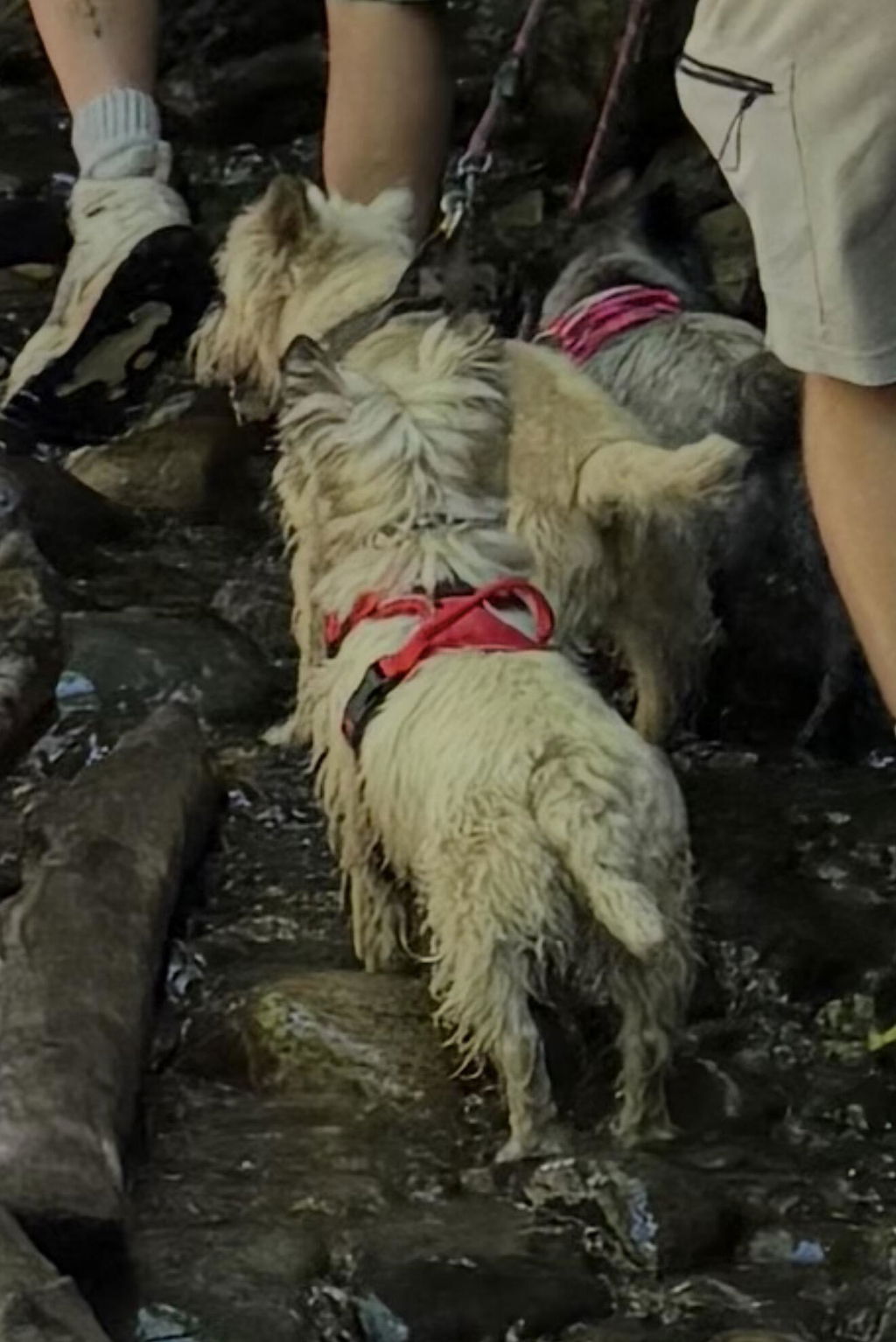
Summit All-Terrain Dog Harness - A properly fitted harness is an important part of biking safety. It provides better support than attaching pressure directly to your dog's neck and allows comfortable movement while running, walking, and exploring.
Option 2: Riding in a Dog Backpack
Not every dog is built for long-distance running, and that’s okay. A dog backpack is a great option for smaller, older, or less active dogs who still want to join the adventure.
Perfect for:
-
Small breeds
-
Puppies
-
Senior dogs
-
Dogs recovering from injury
-
Dogs who tire easily
Benefits:
-
Allows smaller companions to join longer bike rides.
-
Gives senior or lower-energy dogs a way to enjoy the outdoors.
-
Great for technical trails where running beside the bike may not be safe.
Safety tips:
-
Choose a backpack designed specifically for dogs.
-
Make sure your dog is comfortable before going on longer rides.
-
Take regular breaks and provide water.
-
Ensure proper ventilation and a secure fit.
-
Never overload the backpack beyond its recommended capacity.
-
Give your dog opportunities to stretch and explore during stops.
Before and after your ride, make sure to bring a comfortable harness and reliable leash for quick walks, trail breaks, and exploring new areas along the way.
Recommended Gear for Small and Senior Dogs
Dog Backpack - A comfortable way for small, senior, or lower-energy dogs to join longer bike adventures while staying safe and enjoying the outdoors.
Option 3: Take Breaks to Explore
Sometimes the best bike adventures are not about distance, they are about the places you discover together. Combining cycling with walking breaks allows your dog to slow down, explore, and enjoy the journey.
Ride to a scenic destination, then:
-
Walk the trail together
-
Visit a lake or viewpoint
-
Stop for photos
-
Let your dog sniff and explore the surroundings
These slower moments provide important mental stimulation and allow your dog to experience the outdoors at their own pace.
Whether your dog runs beside your bike, rides comfortably in a backpack, or joins you for trail walks, the best adventure is one that matches their abilities and keeps them happy along the way.
Don't Forget Your Trail Essentials
When your bike ride turns into a hiking adventure, having versatile gear makes the transition easier. Recommended:
All-Mountain Dog Leash – For walking sections and exploring.
Choosing the Right Route
The right trail can make all the difference when biking with your dog. Look for routes that provide enough space for both you and your dog to move comfortably while offering a safe and enjoyable environment to explore together.
Look for:
-
Wide gravel paths – Provide a comfortable surface for dogs and allow enough room to safely pass other trail users.
-
Forest service roads – Great for dogs who enjoy exploring natural environments with fewer distractions.
-
Multi-use trails – Offer scenic routes where biking and walking are both permitted.
-
Quiet bike paths – Ideal for dogs who are still getting comfortable around bikes.
Avoid:
-
Heavy traffic areas – Busy roads can be stressful and unsafe for dogs.
-
Technical downhill trails – Steep or challenging terrain can increase the risk of accidents.
-
Crowded pedestrian areas – Too many people and distractions can make it harder to keep your dog under control.
-
Extremely rocky terrain – Rough surfaces can be uncomfortable for your dog’s paws, especially during longer rides.
Dog-Friendly Off-Leash Bike Trails
Looking for a place where your dog can enjoy the ride and the freedom to explore? Choosing the right trail can turn a simple bike ride into a full outdoor adventure. Dog-friendly areas with open spaces, scenic views, and natural terrain give your pup the chance to explore, sniff, and enjoy the outdoors at their own pace.
Always check local trail rules before visiting, as leash requirements, off-leash access, and bike permissions can vary depending on the location and season.
West Bragg Creek Trails – Bragg Creek, Alberta
-
A popular destination for outdoor enthusiasts near Calgary.
-
Offers a variety of forest trails and scenic routes surrounded by nature.
-
Great for active dogs who enjoy exploring different terrain.
-
A perfect option for combining biking with hiking-style adventures.
Nose Hill Park – Calgary, Alberta
-
A large open-space park with scenic views and plenty of room to explore.
-
A great option for dogs who enjoy walking, running, and sniffing new surroundings.
-
Best suited for dogs with reliable recall due to the open landscape.
Sue Higgins Park – Calgary, Alberta
-
A popular off-leash area along the Bow River.
-
Offers open spaces where dogs can enjoy outdoor exploration.
-
A good choice for a more relaxed adventure with plenty of room for your dog to move.
Pro tip: Even on off-leash trails, always carry a dog leash. You may need it at trail entrances, parking areas, crowded sections, or when passing other trail users.
Training Your Dog Before Your First Bike Ride
Before hitting the trails, take time to help your dog feel comfortable and confident around your bike. A slow introduction can make the experience safer and more enjoyable for both of you.
-
Introduce your dog to the bike while it is stationary – Let your dog sniff and explore the bike while it is not moving.
-
Walk beside the bike before riding – Start by walking your dog next to the bike so they can get used to its size, movement, and sounds before adding speed.
-
Practice basic commands – Teach and reinforce commands like “stop,” “slow,” “leave it,” and “come” to help your dog respond during your adventure.
-
Start with short rides in quiet areas – Choose a calm location with fewer distractions and gradually increase distance as your dog becomes more comfortable.
-
Reward calm behaviour around the bike – Use treats, praise, and encouragement to help your dog feel relaxed and confident during each step of the process.
Remember, every dog learns at a different pace. Taking the time to build confidence before your first ride can help create a positive experience your dog will look forward to.
Consider the Weather Before You Ride
Weather conditions can have a big impact on your dog’s comfort and safety during a bike adventure. Alberta’s changing seasons bring everything from hot summer days to snowy trails, so it’s important to plan your ride around the conditions.
-
Avoid hot summer days and warm pavement – Dogs can overheat quickly, especially when running alongside a bike. Choose cooler times of the day, such as early morning or evening, and stick to shaded trails whenever possible.
-
Bring extra water for longer rides – Active dogs need regular access to water, especially during warmer weather or longer adventures. Pack enough for both you and your pup.
-
Check trail conditions after rain or snow – Muddy, icy, or slippery trails can make biking more difficult and uncomfortable for your dog. Always check conditions before heading out.
-
Protect your dog’s paws in extreme conditions – Hot surfaces, ice, and rough terrain can be hard on paws. Consider your dog’s comfort level and bring appropriate protection when needed.
-
Consider visibility during shorter daylight hours – Early morning and evening rides can be beautiful, but lower light conditions make visibility more important. A LED Dog Safety Collar can help make your dog easier to spot on the trail.
-
Protect your dog’s eyes during windy or dusty rides – Trails can expose dogs to dust, dirt, branches, and debris. Dog Goggles can provide extra protection for dogs who enjoy high-speed rides or outdoor adventures.
The best bike adventures are the ones where your dog stays comfortable and happy. By checking the weather, preparing for the conditions, and bringing the right gear, you can enjoy more safe and memorable outdoor experiences together.
Trail Safety Tips When Biking With Your Dog
A safe and enjoyable bike adventure starts with preparation and being mindful of your surroundings. Follow these tips to help keep your dog, yourself, and other trail users comfortable.
-
Never attach a regular leash directly to your handlebars – Sudden movements from your dog can affect your balance and create an unsafe situation. Use proper equipment and safe handling techniques designed for biking with dogs.
-
Watch your dog’s pace – Pay attention to signs of tiredness and allow your dog to take breaks when needed. Not every dog has the same endurance level.
-
Check your dog’s paws regularly – Trails can include rough surfaces, rocks, or debris that may irritate your dog’s paws, especially during longer rides.
-
Keep rides fun and short at first – Start with shorter routes and gradually increase distance as your dog becomes more comfortable.
-
Respect wildlife and nature – Keep your dog from chasing wildlife and follow local trail guidelines to help protect natural areas.
-
Yield to hikers and other trail users – Slow down, give others space, and keep your dog under control when passing.
-
Always clean up after your dog – Bringing waste bags helps keep trails clean and enjoyable for everyone.
Essential Gear
Summit All-Terrain Dog Harness
Best for: Dogs running alongside the bike
-
A comfortable and secure harness is essential for active adventures. The Summit All-Terrain Dog Harness provides support and allows your dog to move comfortably while exploring trails.
Best for: Trail stops, walks, and exploring
-
Even if your dog enjoys off-leash areas, always bring a leash for trailheads, parking areas, and situations where extra control is needed. The All-Mountain Dog Leash offers versatility for both everyday walks and outdoor adventures.
Best for: Small, senior, or lower-energy dogs
-
A dog backpack allows more dogs to join the adventure, even if they cannot comfortably run long distances.
Best for: Keeping your dog hydrated
-
Longer rides require proper hydration. Bring enough water for both you and your dog, especially during warm weather or challenging trails.
Best for: Windy, dusty, or high-speed adventures
-
Outdoor trails can expose dogs to dust, dirt, and debris. Dog goggles can provide extra protection during certain adventures.
Best for: Unexpected trail situations
-
A small first aid kit is always a good idea when exploring remote areas.
After the Ride: Helping Your Dog Recover
Once your adventure is over, take a few minutes to check on your dog and make sure they are comfortable after the ride. A quick post-adventure routine can help catch any issues early and keep your pup ready for the next outing.
Check for:
-
Sore paws – Look for signs of discomfort, especially after riding on gravel, rocky, or uneven trails.
-
Burrs or debris – Check your dog’s coat, paws, and ears for anything they may have picked up along the trail.
-
Ticks – Inspect your dog after exploring wooded or grassy areas.
-
Overheating – Watch for signs that your dog may need extra time to cool down after exercise.
Offer:
-
Fresh water – Help your dog rehydrate after being active outdoors.
-
Time to rest – Allow your dog to relax and recover at their own pace in a dog bed.
-
Plenty of praise – Positive reinforcement and treats help make outdoor adventures a fun experience they’ll look forward to.
Taking care of your dog after the ride is just as important as preparing before you leave. A little extra attention helps keep every adventure safe, comfortable, and enjoyable.
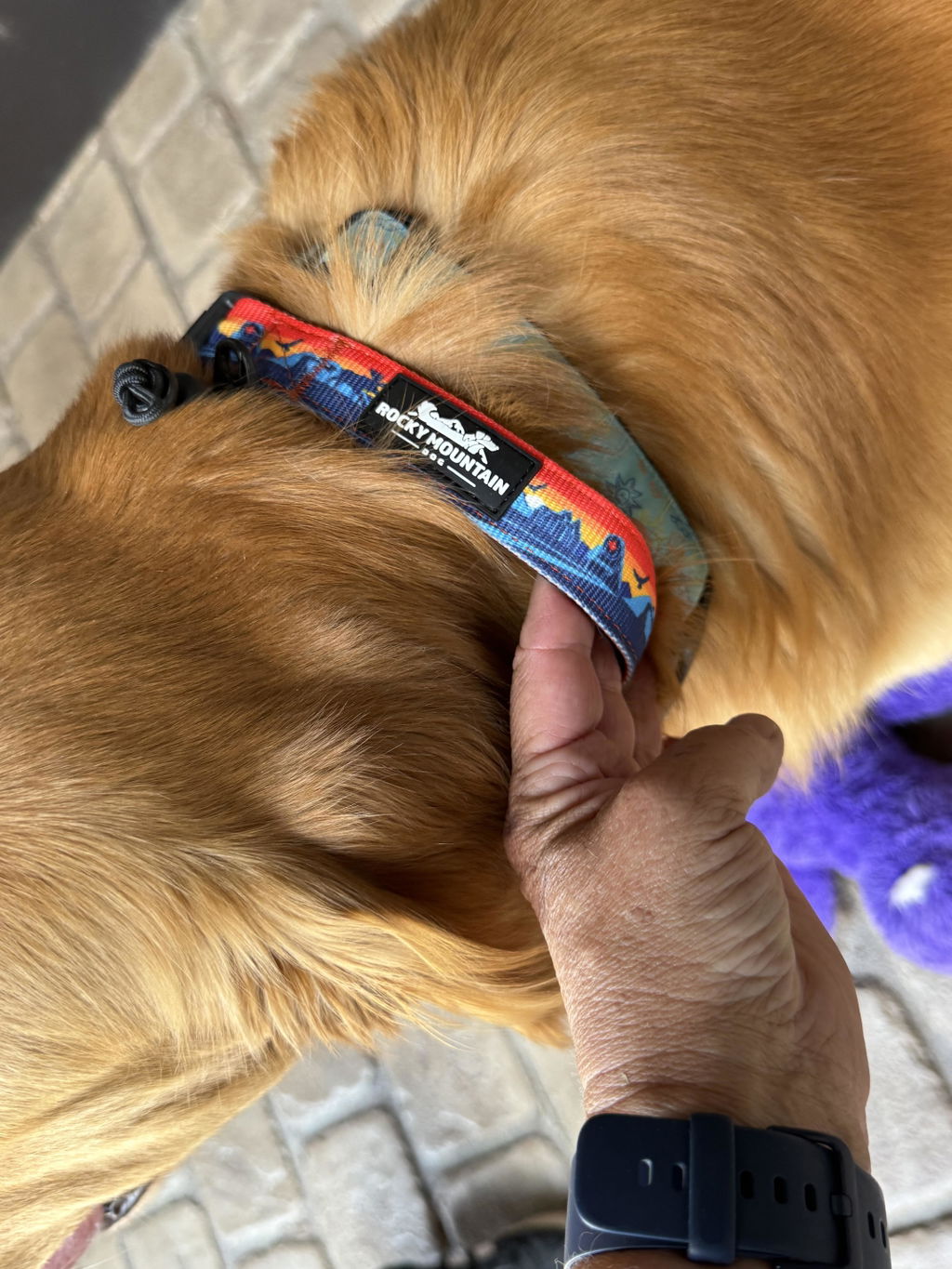
From mountain trails to local paths, Rocky Mountain Dog products are built to help you explore with confidence. Wherever your journey takes you, prepare for the ride, embrace the outdoors, and make every adventure one worth remembering. Get out there!
Frequently Asked Questions
For Biking With Dogs
Puppies should wait until they are physically developed before running alongside a bike. Short, gentle adventures like riding in a dog backpack may be a better option depending on their age and comfort level.
It depends on your dog’s breed, age, fitness level, and training. Start with short distances and gradually increase the length of your rides while watching for signs of fatigue.
Active breeds with good endurance, such as herding, sporting, and working breeds, often enjoy biking. However, every dog is different, and fitness level matters more than breed alone.
Yes! Small dogs can join bike adventures by riding in a properly designed dog backpack or carrier and exploring during breaks.
A dog backpack can be a safe option when it is the right size, properly fitted, well-ventilated, and used with regular breaks.
A harness is generally a better choice for active adventures because it provides more support and control while reducing pressure on your dog’s neck. Always choose a properly fitted harness that allows comfortable movement.
Biking with your dog typically means your dog runs alongside your bike at a comfortable pace while you do most of the work. The focus is on exercising together, with your dog maintaining a steady position beside you.
Bikejoring, on the other hand, is a dog-powered sport where your dog pulls your bike while wearing a specially designed pulling harness. It requires specific equipment, training, and directional commands to keep both you and your dog safe. If you're new to cycling with your dog, it's best to start with casual rides before considering bikejoring.